FROM THE BLOG
Honest writing on meditation, pregnancy and motherhood
What Sobriety Taught Me About Being Present (And Why Alcohol Never Delivered What It Promised)
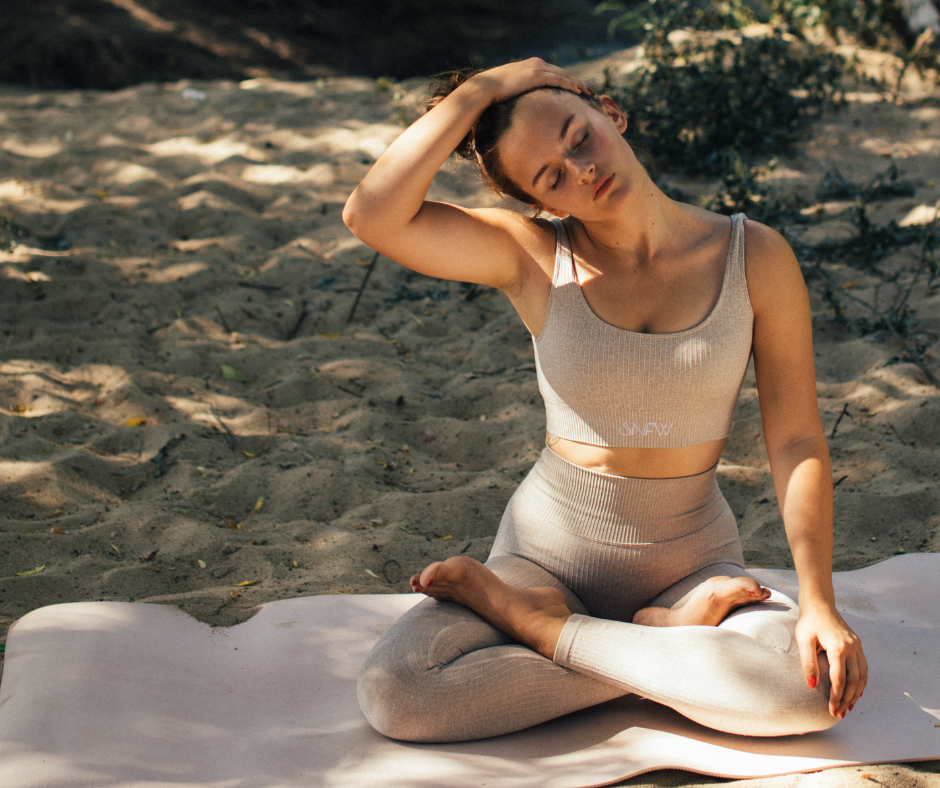
There’s a part no one tells you when you take a hard look at things and try to decide if alcohol is serving you. They focus on the hangovers, the regret, the health risks. And sure, those matter. But the real cost? Alcohol steals your presence. Your clarity. Your ability to feel your life as it's happening. And whatever you’re trying to ‘do’ in life, while using alcohol to escape your own life? That dissonance will eat you alive.

Why Your New Year's Intentions Keep Failing (And What to Do Instead)
Here's what I want you to try instead of another ambitious New Year's plan: For the next week, just notice. Notice when you're present and when you're not. Notice when you're in your head versus in your body. Notice when you're reacting versus responding. That's it. No fixing. No changing. Just noticing. Awareness is the first step. You can't build a practice th

No Resolutions, No Problem: Why You Should Skip the Wellness Guru Hype This New Year
You're being bombarded with impossible 30-day challenges, extreme diets, and massive life overhauls that require Herculean discipline. Let’s be honest: those big resolutions are often designed to fail, leaving you feeling defeated before February even hits. So this year, we're trying something different. Let’s trade the pressure of the "New You" for the reality of "Better Right Now."

Why Traditional Meditation Advice Fails Mothers (And What Actually Works)
You deserve practices that work for your real life, not some idealized version of it. You deserve tools that meet you where you are because you are doing the absolute best you can.
And those tools exist. They're simpler than you think. And you're already capable of using them.
Starting right now. Starting with this breath.

The Power of Practice: Why Change Lives in Ritual, Not in One-Offs
The ritual (if you don’t like that word try routine, consistency, habit) is how the ordinary becomes extraordinary. It’s how transformation actually happens. Not in a single lightning-bolt moment, but in the slow, steady practice of returning, again and again. And we’ll say it again, it’s so easy to fall back into old patterns. We’re householders. We live in real lives, with families, dishes, deadlines, distractions. We’re not practicing in a vacuum.
The Hardest Step in Change Isn’t Starting. It’s Asking for Support.
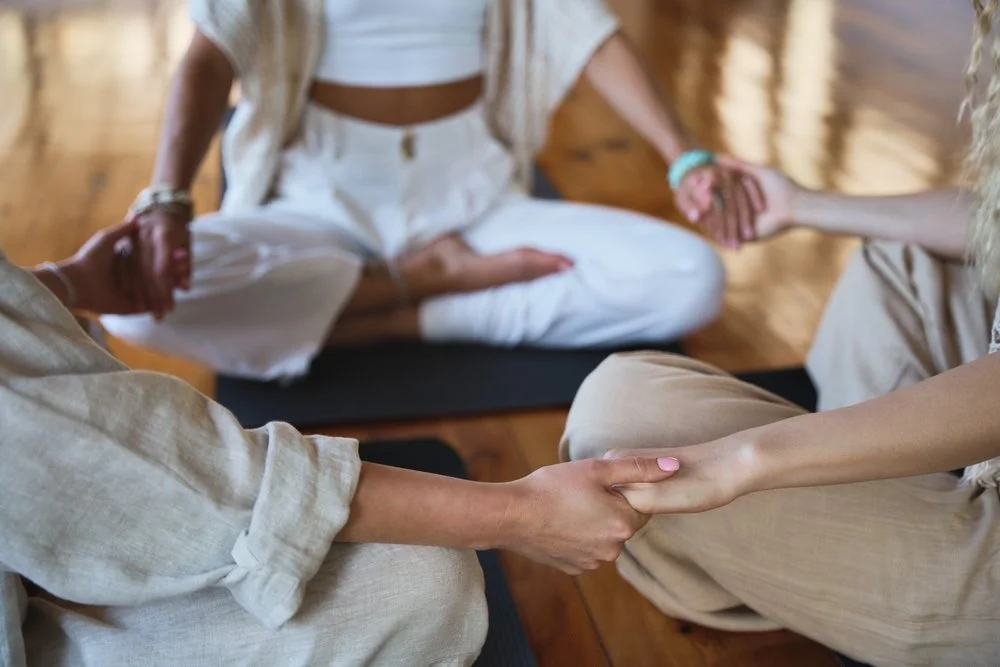
When you’re changing, you’re not just breaking your own patterns. You’re disrupting the shared patterns you have with others. The Friday-night drinks crew, the partner who loves a late-night binge, the coworker who counts on you for the 3pm coffee splurge. You want to end a bad habit, but you might not have willpower to overcome the routine that has been set for you and evolve into the new you, the one that drops that bad behavior and clears space for a new, better option.
Why You Keep Reacting the Same Way, And How to Break the Pattern
Here's what changes everything: Creating space between trigger and reaction. When there's no space, karma controls you. The pattern runs automatically. But when you create space (even just a breath or two) you give yourself the option to respond differently. Or to not respond at all. This is what I think mindfulness actually is. Not sitting on a cushion humming (although that’s great for calming your anxiety by activating your vagus nerve). It's noticing your patterns in real time and choosing whether to follow them or not.

Postpartum Anxiety vs. New Mom Worries: How Mindfulness Can Help You Tell the Difference
If you're wondering whether what you're experiencing is "normal," here's what I wish someone had said to me:
Trust yourself. If it feels like too much, it probably is. You're not being dramatic. You're not overreacting.
Postpartum anxiety is incredibly common. Up to 15-20% of new mothers experience it. You're not alone, and you're not broken.
It's not your fault. This isn't about not being strong enough or grateful enough or calm enough. It's a medical condition with biological roots.
You can get better. With the right support: therapy, mindfulness practices, possibly medication, community, you can feel like yourself again.
You don't have to suffer through it. There's this toxic narrative that motherhood is supposed to be overwhelming and miserable. But constant, consuming anxiety isn't a required part of the experience.