 Image 1 of 2
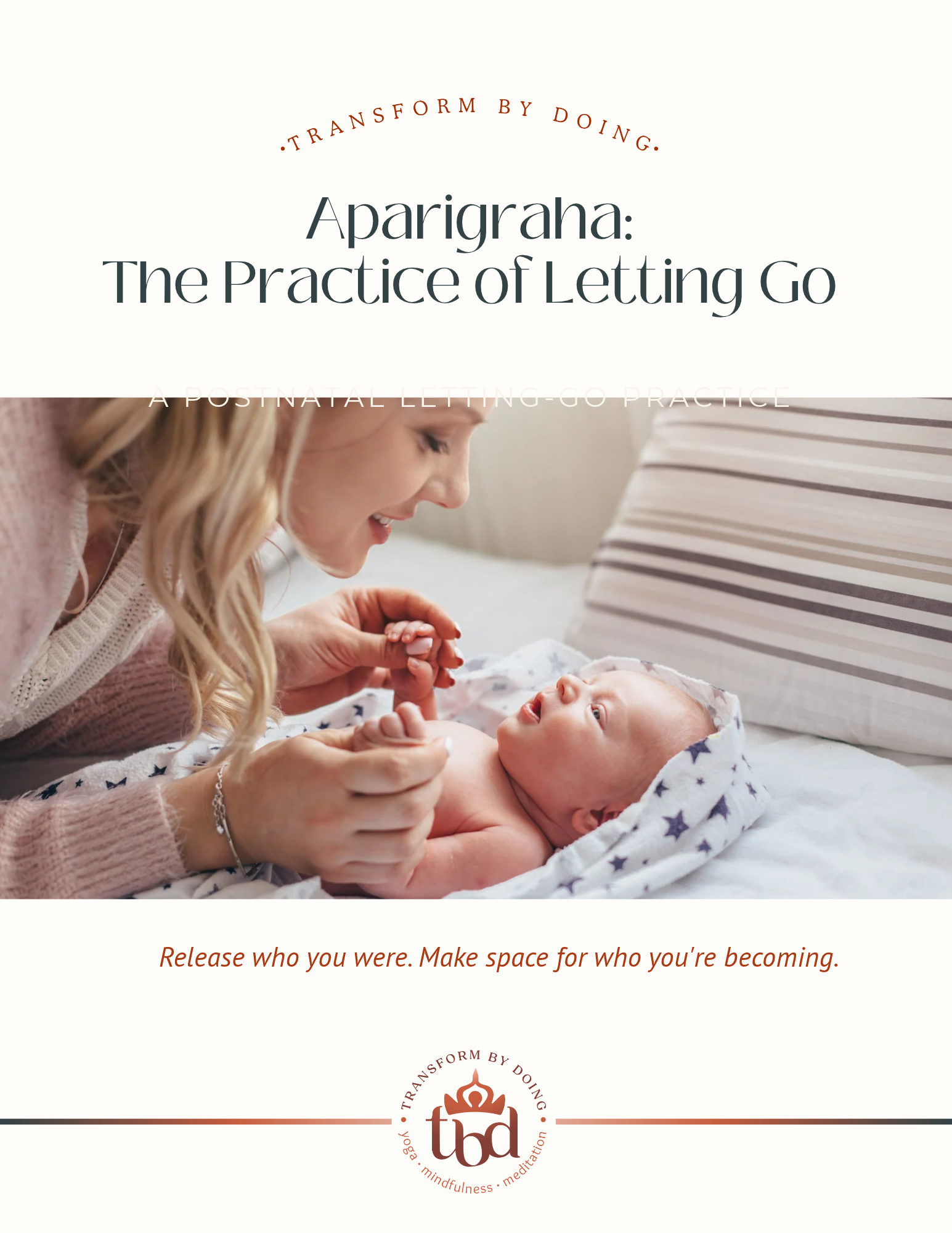 Image 2 of 2
Release who you were. Make space for who you’re becoming.
You can be head over heels for this tiny person and still miss your old life. Your old body. Your old sleep. The birth you planned. Both things are true. Letting go rarely happens in one big moment. It happens in small ones: the jeans moved to the back of the wardrobe, the birth plan you stop rereading, the evening you realise you didn’t compare yourself to anyone all day.
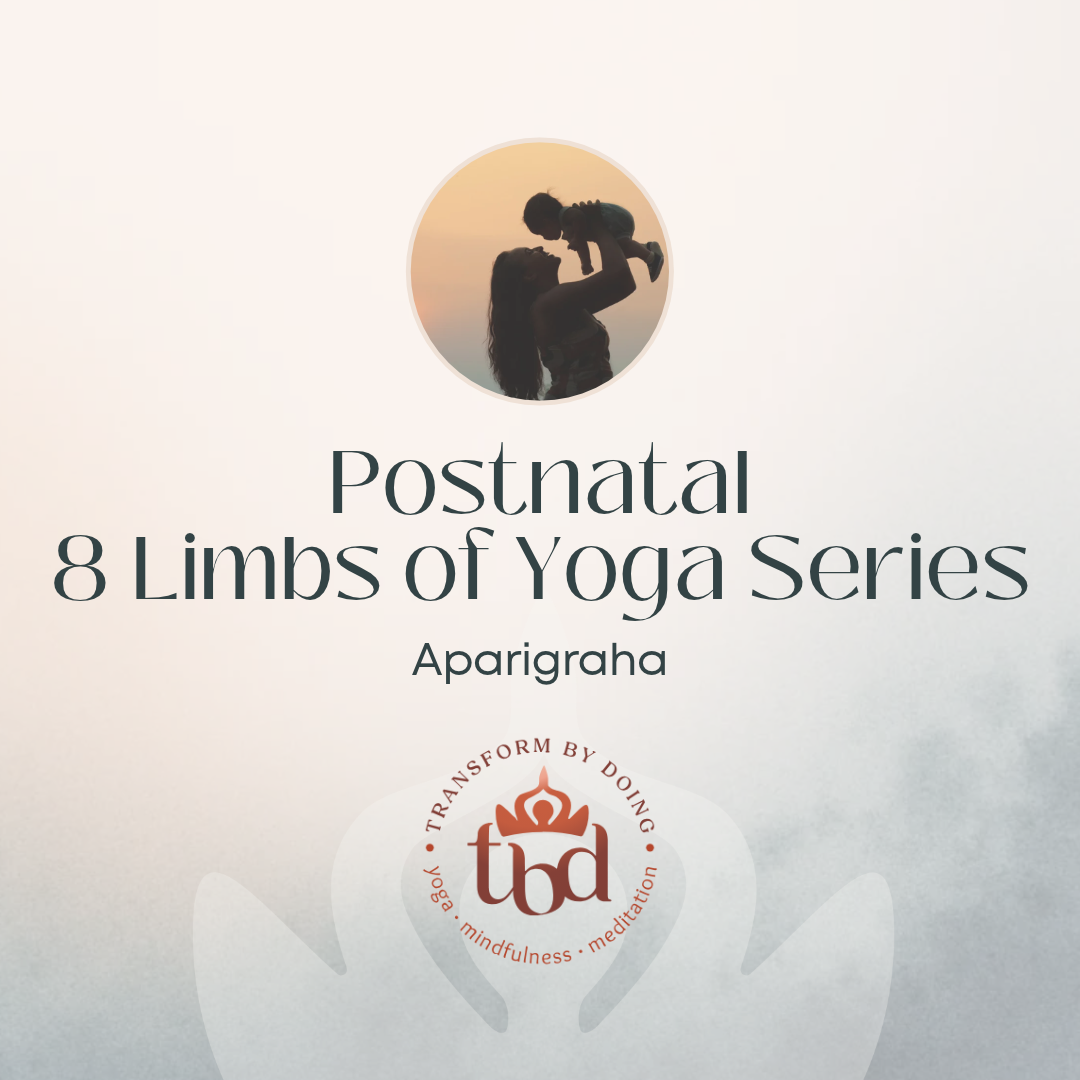
Aparigraha: The Practice of Letting Go is a printable postnatal guide that gives those small releases a structure, so they don’t have to wait for a breakthrough.
What’s inside
Aparigraha explained simply: non-grasping, holding what you need and loosening your grip on the rest
Step 1, Name What You Hold: honest prompts for the birth you imagined, the timeline you expected, your pre-baby body, and the version of you before motherhood
Step 2, Honour and Release: a five-breath practice for setting one thing down, with a softer version for days when you’re not ready
Step 3, Welcome Who’s Next: one sentence to the person you’re becoming
The Daily Put-Down: a one-line evening practice, and a breath for when grief catches you off guard
Three journal prompts and why holding lightly matters for the good moments too
Birth reflection and UK and US support lines
Who it’s for: New mums in the fourth trimester and beyond who miss who they were, keep comparing, or are still carrying the birth they imagined. No yoga experience needed. Tissues optional.
PDF download · 10 pages · 15-minute practice · Fourth trimester and beyond · Journal needed
Aparigraha is one of the Yamas, yoga’s principles for how we move through the world. It means non-grasping: releasing what was, so you can meet what is. Read the full story →
Is this safe after birth? Yes. It’s a gentle seated or lying-down practice built on breath and short writing. If you’ve had a c-section or a difficult birth, go gently, and check with your midwife, health visitor or doctor if anything feels wrong.
Does letting go mean forgetting who I was? No. It means loosening your grip, not erasing anything. Missing your old life doesn’t mean you love your baby any less.
What if my birth still feels raw? You deserve to be heard, and you can go as slowly as you need. In the UK, ask your midwife or health visitor about a birth reflection service. If you’d like to write it down first, start with the free Your Birth Story journal guide.
What if I’m struggling more than this? If grief feels constant, you feel numb or detached, or you’re replaying your birth and can’t switch it off, please reach out. That isn’t failing at the practice. UK: PANDAS Foundation free helpline 0808 1961 776, or text PANDAS to 85258. US: call or text 1-833-TLC-MAMA (1-833-852-6262). In an emergency, call 999 (UK) or 911 (US).